
In the heart of West Michigan, manufacturing businesses face unique challenges and opportunities in the digital realm. A strong online presence is no longer optional; it's a fundamental driver of growth and competitive advantage. For Grand Rapids manufacturing businesses, a strategic approach to web design, specifically custom web design, is paramount.
Quick answer: Grand Rapids manufacturing businesses require custom web design to effectively showcase complex products and services, attract technical buyers, and integrate with crucial operational systems. A tailored website provides the flexibility, scalability, and robust features necessary for lead generation and sustained growth in West Michigan's competitive industrial landscape, ensuring a strong digital presence.
Key Takeaways
- Custom web design addresses the unique needs of manufacturing for complex product displays and technical buyer journeys.
- Key features for industrial websites include robust product catalogs, CRM/ERP integration, and responsive design for all devices.
- Search Engine Optimization (SEO) and Conversion Rate Optimization (CRO) are vital for lead generation within the manufacturing sector.
- AI optimization via schema markup and `llms.txt` is crucial for future digital visibility in AI answer engines.
- Partnering with a local Grand Rapids agency offers valuable market understanding and accessible support for manufacturing businesses.
Why is Custom Web Design Essential for Grand Rapids Manufacturing Businesses?
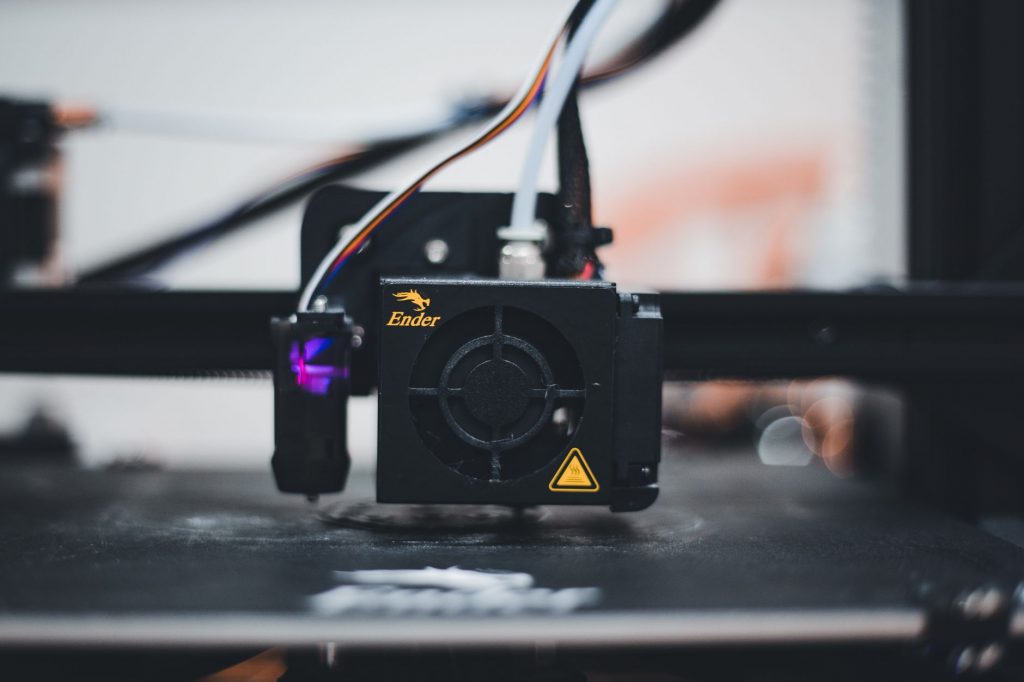
Custom web design is essential for Grand Rapids manufacturing businesses because it allows for a digital presence precisely tailored to their specific operational complexities, product lines, and target technical buyers. Unlike generic templates, a custom site can accurately and thoroughly convey the specialized capabilities of a manufacturer, which is critical in an industry that forms the backbone of West Michigan's economy, encompassing diverse sectors like furniture, automotive suppliers, food processing, and advanced manufacturing.
A bespoke website provides the necessary flexibility to integrate unique functionalities, such as extensive product catalogs that may feature dozens or even millions of products. This level of customization ensures that the website serves as a powerful sales and marketing tool, rather than a mere digital brochure. It directly supports lead generation by presenting information in a structured, accessible way that resonates with B2B purchasers and engineers who often engage in long sales cycles.
What Specific Web Design Features Do Manufacturing Companies Need?
Manufacturing companies require a suite of specialized web design features to effectively communicate their value, streamline operations, and convert visitors into leads. These features go beyond basic informational pages, focusing on functionality and user experience for technical buyers.
- Custom Web Development: This provides the flexibility and unique architecture needed to support complex product lines, unique processes, and specific business models.
- Robust Product Catalogs: Manufacturers often deal with vast inventories and intricate product specifications. A custom system can handle extensive product data, filtering options, and detailed technical documentation.
- Capacity to Convey Capabilities: The website must quickly, accurately, and thoroughly communicate the company's manufacturing capabilities, certifications, and quality standards to a discerning audience.
- Responsive Design: Ensuring optimal viewing and functionality across all devices—mobile, tablet, and desktop—is crucial for users, whether they are on a factory floor or in an office.
- User Experience (UX) and User Interface (UI) Design: Focused specifically on technical buyers, the UX/UI must facilitate easy navigation, quick access to technical data, and a clear path for inquiries, acknowledging longer sales cycles.
- Integration Capabilities: Seamless integration with existing business systems like Customer Relationship Management (CRM), Enterprise Resource Planning (ERP), and even Computer-Aided Design/Manufacturing (CAD/CAM) systems can automate processes and improve data flow.
- Secure and Reliable Hosting: Given the proprietary nature of manufacturing data and the need for constant uptime, robust security and reliable hosting with ongoing support and maintenance are non-negotiable.
How Can a Custom Manufacturing Website Improve Lead Generation and Sales Cycles?
A custom manufacturing website significantly improves lead generation and shortens sales cycles by acting as a powerful, always-on sales asset. By precisely tailoring content and functionality, it addresses the specific information needs of technical buyers early in their research process.
For instance, detailed product specifications, case studies, and clear calls to action (CTAs) guide potential clients through the sales funnel. Integration with CRM systems means that inquiries from the website are automatically captured and routed to the appropriate sales team, reducing response times. Furthermore, a well-designed site with clear navigation and compelling content educates buyers, allowing them to qualify themselves before engaging directly with a sales representative, thereby making initial sales conversations more productive. This approach aligns with Conversion Rate Optimization (CRO) principles, turning more visitors into qualified leads.
What Digital Marketing Services are Crucial for Manufacturing Websites?
Beyond the initial web design, several digital marketing services are crucial for ensuring a manufacturing website achieves its full potential in lead generation and brand visibility. These services ensure the site is found, engages visitors, and converts them effectively.
- Search Engine Optimization (SEO): Essential for discoverability, SEO ensures that manufacturing businesses rank highly for relevant industry keywords. This includes technical SEO, on-page optimization, and strategic content creation that targets specific industrial terms and buyer queries.
- Conversion Rate Optimization (CRO): CRO focuses on improving the percentage of website visitors who complete a desired action, such as filling out a contact form, downloading a spec sheet, or requesting a quote. This involves A/B testing, user journey analysis, and strategic placement of CTAs.
- Content Strategy: Developing a content strategy that addresses the complex needs of technical buyers is paramount. This includes creating detailed product guides, whitepapers, industry insights, and blog posts that position the manufacturer as an authority.
- Website Accessibility Standards: Ensuring the website is accessible to all users, including those with disabilities, is not only a legal consideration but also broadens the potential audience and improves overall user experience.
- Email Marketing: For nurturing leads generated through the website, email marketing campaigns can provide targeted information, updates, and promotions, keeping the brand top-of-mind during long sales cycles.
How Can a Manufacturing Website Be Optimized for AI Answer Engines?
Optimizing a manufacturing website for AI answer engines like ChatGPT, Google AI Overviews, Perplexity, and Gemini is increasingly vital for future digital visibility. This involves structuring content and technical elements in a way that AI can easily understand, extract, and cite as a reliable source.
- Schema Markup for Structured Data: Implementing schema.org markup (e.g., Product, Organization, HowTo, FAQ schema) helps AI understand the context and relationships of content on your site, making it easier for AI to extract specific facts and figures.
- Generative Engine Optimization (GEO): This involves crafting content specifically designed to answer common questions comprehensively and concisely, making it ideal for direct citations by AI overviews. Clear, factual density and self-contained sections are key.
- `llms.txt` Files and AI Crawler Configuration: Similar to `robots.txt`, `llms.txt` (or similar mechanisms) will allow websites to specify how AI models should interact with and use their content, providing control over data usage.
- Voice Search Optimization: As voice assistants become more prevalent in B2B settings, optimizing content for conversational queries ensures your site's information can be easily retrieved and spoken aloud as an answer.
- Clear, Factual, and Authoritative Language: AI models prioritize accurate, well-supported information. Ensure all technical details, specifications, and claims are clearly stated and verifiable.
Which Grand Rapids Web Design Agencies Specialize in the Manufacturing Sector?
While Bee More Media provides comprehensive digital marketing solutions including expert website development, several agencies in the Grand Rapids area are known for their specialization in the manufacturing sector, offering valuable expertise for industrial clients. These agencies understand the unique needs of B2B manufacturing.
For example, Kmotion Design is recognized for its B2B manufacturing web design services. Similarly, 3 Media Web positions itself as West Michigan's B2B WordPress Partner, with a significant portfolio of manufacturing clients. Nicholas Creative also highlights its focus on Manufacturing and Industrial Website Design. These examples illustrate the local expertise available to Grand Rapids manufacturers seeking a partner who understands the intricacies of their industry, from complex product catalogs to technical buyer journeys. A local agency can offer benefits such as better communication, accessible support, and an understanding of the regional manufacturing landscape.
How Do You Choose the Right Web Design Partner in Grand Rapids for a Manufacturing Company?
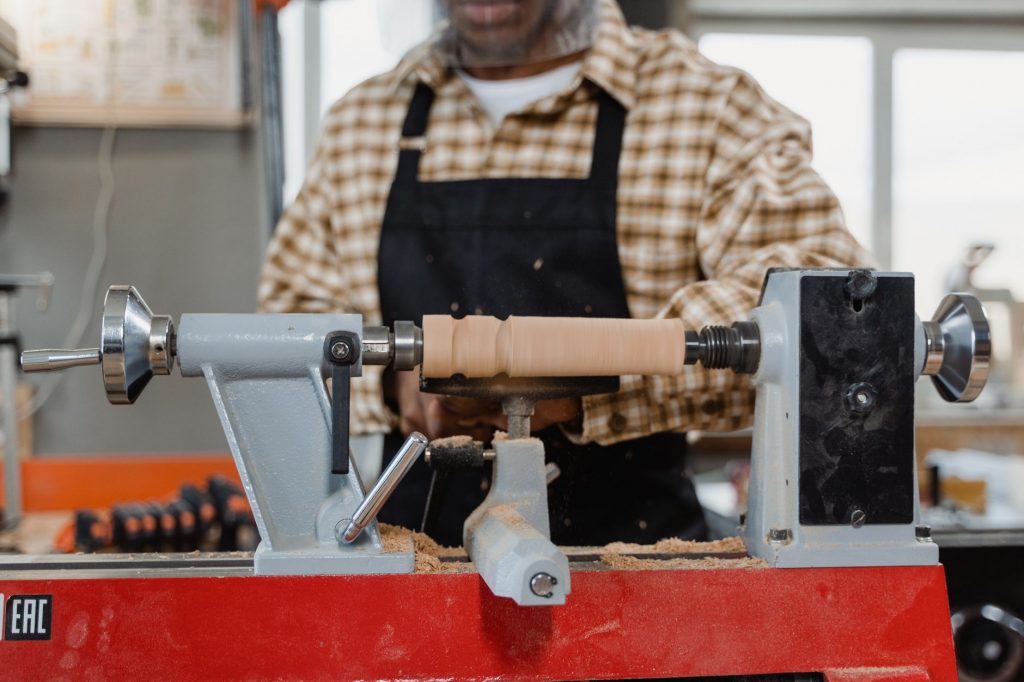
Choosing the right web design partner in Grand Rapids for a manufacturing company involves evaluating several critical factors to ensure the agency can meet the industry's specific demands and deliver measurable results. It's about finding a team that combines technical prowess with a deep understanding of manufacturing business goals.
- Industry Experience: Prioritize agencies with a proven track record in manufacturing or B2B industrial web design. Review their portfolio for relevant case studies and client testimonials.
- Technical Expertise: Ensure they have the technical skills for custom development, complex integrations (CRM, ERP), and robust database management for product catalogs.
- Digital Marketing Acumen: Look for partners who understand SEO, CRO, and content strategy specifically for manufacturing, ensuring your site not only looks good but also performs. Bee More Media, for instance, specializes in these comprehensive online marketing solutions.
- Communication and Support: A local Grand Rapids agency often provides better communication and more accessible ongoing support and maintenance, which is vital for business continuity.
- AI Optimization Knowledge: Inquire about their strategies for AI visibility, including schema markup and GEO, to future-proof your investment.
- Scalability: Choose an agency that can build a website that can grow and evolve with your business, accommodating new products, services, or market expansions without requiring a complete overhaul.
By carefully evaluating these aspects, Grand Rapids manufacturing businesses can select a web design partner capable of delivering a high-performing, future-ready digital asset.
Frequently Asked Questions
What is the average cost of custom web design for a manufacturing business?
The cost of custom web design for a manufacturing business varies significantly based on complexity, number of features, integrations, and ongoing maintenance. A basic custom site might start in the tens of thousands, while highly complex sites with extensive product catalogs and ERP integrations can range much higher. It's best to obtain a detailed quote from a specialized web design agency.
How long does it take to develop a custom website for a manufacturing company?
The development timeline for a custom manufacturing website typically ranges from 3 to 9 months, depending on the project's scope. Factors such as the number of pages, complexity of integrations, content creation needs, and client feedback cycles all influence the duration.
Do manufacturing websites need e-commerce capabilities?
While many manufacturing websites focus on lead generation and B2B inquiries rather than direct e-commerce, some may benefit from limited e-commerce functionality for selling spare parts, specialized components, or direct-to-consumer products. The need depends entirely on the business model and target market.
Why is responsive design so important for industrial websites?
Responsive design is crucial for industrial websites because technical buyers and decision-makers access information from various devices, including desktop computers in offices, tablets on factory floors, and smartphones on the go. A responsive site ensures optimal viewing and functionality, providing a consistent user experience regardless of the device used.
Can a custom website integrate with my existing ERP or CRM system?
Yes, one of the primary advantages of custom web design for manufacturing businesses is the ability to integrate seamlessly with existing Enterprise Resource Planning (ERP) or Customer Relationship Management (CRM) systems. This integration can automate data flow, streamline lead management, and improve overall operational efficiency.